

Contagious Concern: Can Gum Disease Be Shared?
January 5, 2026
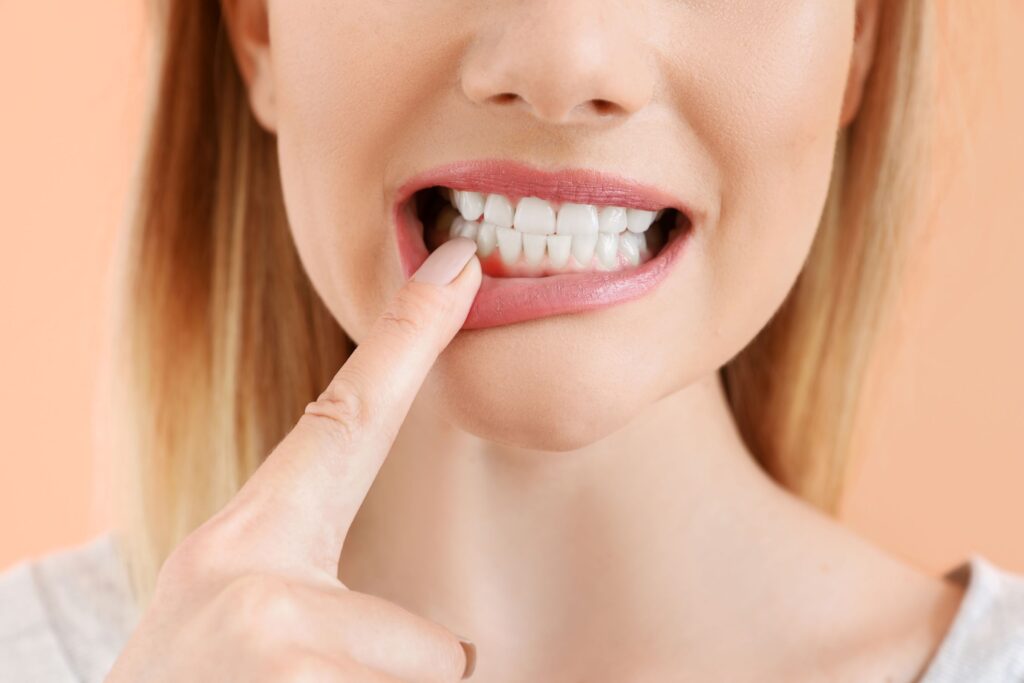
Many people only consider their teeth when they think of their dental health, but the truth is that your connective tissues are equally as significant. For example, periodontitis, or advanced gum disease, is the number one leading cause of tooth loss in adults.
Although this condition can’t be reversed once it reaches later stages, it can thankfully be prevented if it’s caught early enough. However, would you be surprised to learn that early gum disease, or gingivitis, can be contagious? Continue reading to learn more about it how this condition can be shared!
What Is Gingivitis?
Many people don’t realize that their mouths contain an entire microbiome of healthy and harmful germs that form a delicate balance to help maintain their dental well-being. Some of these are beneficial and contribute to necessary functions, like digestion. However, if specific bacteria, such as Porphyromonas gingivalis, overpower the ‘good’ microbes, they can flourish and cause gum disease.
Gingivitis is the earliest stage of this condition and occurs when harmful bacteria in your mouth form plaque along your gumline. If they penetrate the tissues, it can trigger an infection that only worsens the longer it remains unaddressed. Unfortunately, this stage of gum disease doesn’t always exhibit noticeable symptoms and remains hidden (and therefore untreated) until it progresses into a more serious problem.
Is Gingivitis Contagious?
It’s natural to want to avoid conditions that can hurt your grin, like gum disease. If you’re wondering if someone else might pass it along to you, the truth is that it’s a very real possibility.
For example, parents might inadvertently introduce harmful bacteria to their kids’ mouths through close contact or by sharing dishes or utensils. It can also be passed from person to person through saliva exchange, such as during kissing or by sharing meals.
How Can I Avoid Developing Gum Disease?
If you or someone you know has gingivitis, one easy way to prevent it from spreading is to avoid sharing germs with others. Thankfully, there are also several additional ways to prevent common oral concerns, including gum disease.
For example, brushing and flossing twice daily regularly removes plaque and bacteria to strengthen your enamel and gums so they’re more resistant to decay and disease. The American Dental Association also recommends visiting your provider every six months for a routine checkup and cleaning. This allows them to monitor your oral health so they can catch and treat any areas of concern before they progress.
If you suspect you have developed a periodontal problem, the next best step is to call your dentist and make an appointment!
Meet the Author
Dr. Carroll R. Butler has nearly 30 years of experience improving his patients’ lives by enhancing their oral health. He earned his Doctor of Dental Surgery from the University of Texas Health Science Center Dental School at San Antonio and is a Fellow of the Academy of General Dentistry. Today, he utilizes advanced technology to offer a comprehensive menu of services, including routine preventive care, to people of all ages conveniently under one roof. You can request an appointment on the website or by calling (830) 257-4900.
No Comments
No comments yet.
RSS feed for comments on this post.
Sorry, the comment form is closed at this time.