

Is Chewing Gum the Secret to Great Oral Health?
February 1, 2026
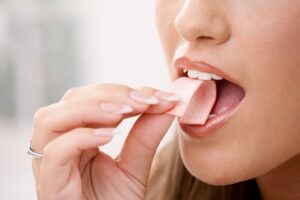
Chewing gum has long been marketed as a quick fix for fresh breath and cleaner teeth. But can it really improve your oral health? The answer is: it depends on the type of gum you choose and how you use it. Let’s explore whether chewing gum deserves a place in your daily dental routine.
How Chewing Gum Helps Your Teeth
When you chew gum, your mouth produces more saliva. Saliva plays a crucial role in protecting your teeth by neutralizing acids, washing away food particles, and helping to remineralize enamel. After meals, especially when brushing isn’t immediately possible, chewing sugar-free gum can help reduce acid buildup that contributes to cavities.
Some sugar-free gums contain xylitol, a natural sweetener that has been shown to reduce cavity-causing bacteria. By limiting bacterial growth and stimulating saliva flow, xylitol gum can support a healthier oral environment between brushing sessions.
Sugar-Free vs. Sugary Gum
Not all gum is created equal. Sugary gum can actually increase your risk of tooth decay. Harmful bacteria in your mouth feed on sugar and produce acids that weaken enamel. Choosing a sugar-free option is essential if you want any oral health benefits.
Look for gum that carries the seal of approval from organizations like the American Dental Association. The ADA Seal indicates the product meets safety and effectiveness standards for promoting oral health.
What Gum Can’t Do
While chewing gum can be helpful, it is not a replacement for brushing and flossing. You still need to brush twice daily with fluoride toothpaste and floss once a day to remove plaque from between teeth and along the gumline. Gum simply can’t reach those tight spaces.
It’s also important to remember that excessive gum chewing may lead to jaw discomfort, especially for individuals prone to TMJ issues.
Chewing sugar-free gum can be a simple and convenient way to support your oral health—especially after meals or snacks when brushing isn’t an option. By stimulating saliva and potentially reducing harmful bacteria, it can contribute to a healthier smile.
About the Author
Dr. Carroll R. Butler has more than 28 years of experience in the dental field and has been practicing in Kerrville since 1997. He earned his Doctor of Dental Surgery at the University of Texas Health Science Center Dental School at San Antonio before completing a one-year dental residency program at Travis AFB in California. Today, Dr. Butler is a proud Fellow of the Academy of General Dentistry, as well as a member of the American Dental Association and the Texas Dental Association. If your gums need some work, book online with us or call (830) 257-4900.
No Comments
No comments yet.
RSS feed for comments on this post.
Sorry, the comment form is closed at this time.