

Sleep Apnea Treatment Kerrville
No More Restless Nights
Sleep apnea is a dangerous disorder that affects millions of people. If you struggle to get enough high-quality sleep each night, you might be one of its victims! The good news is that effective sleep apnea treatment is available in our Kerrville office. Dr. Butler and our team are proud to offer oral appliance therapy, an advanced and non-invasive option for better rest. Continue reading below to learn more, or contact us directly to set up your appointment.
Why Choose Carroll Butler, DDS, for Sleep Apnea Treatment?
- Effective & Non-Invasive Oral Appliance Therapy
- Popular Alternative to CPAP
- Caring & Skilled Dental Team
What Is Sleep Apnea?
Sleep apnea is a disorder that is characterized by repeated pauses in breathing during sleep. In obstructive sleep apnea (OSA), which is the most common form of sleep apnea, the pauses occur because tissues in the throat stop the free flow of oxygen. Central sleep apnea occurs when the brain does not send proper breathing signals to the body. Some people have a mix of both types of sleep apnea.
You might have OSA if:
- You snore loudly and frequently
- You often wake up feeling tired
- You wake up with a sore throat or headache
- You need to make frequent nighttime trips to the bathroom
- Your partner has observed that you sometimes stop breathing during sleep
The Dangers of Sleep Apnea
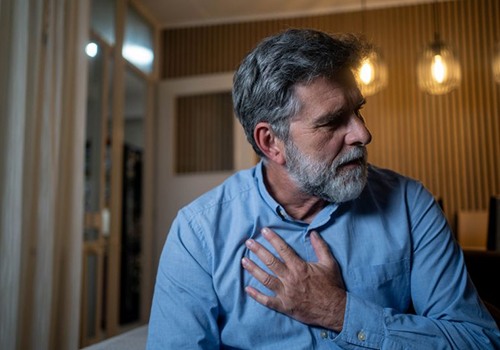
Sleep apnea might seem like just an annoyance, but it can actually have big consequences for your health! The repeated pauses in breathing lower your body’s oxygen level, increase your body’s overall burden of stress, and prevent you from spending enough time in the deeper stages of sleep. As a result, you may be at a greater risk of issues like heart attack, stroke, type 2 diabetes, high blood pressure, dementia, and more. There is even a heightened risk of emotional challenges, such as anxiety and depression.
Additionally, sleep apnea can slow down your reflexes and increase the chances that you will be involved in a dangerous accident.
Sleep Apnea Treatment Options
CPAP therapy is the most common way to address sleep apnea. It involves the use of a machine that forces out pressurized air to prevent airway blockages. Unfortunately, many patients do not use their CPAP because they find it to be uncomfortable and inconvenient.
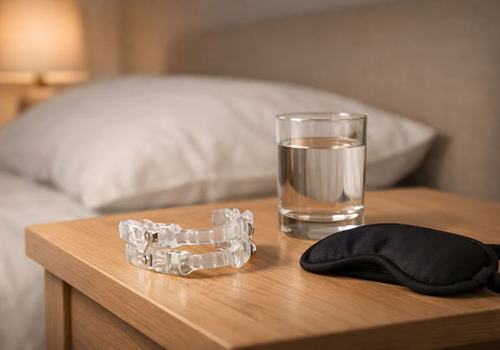
Oral appliance therapy is a popular alternative. Dr. Butler and our team can design a custom device, which sort of resembles a mouthguard, that you wear during sleep. It gently shifts your lower jaw forward, which helps to keep the airway open so you can breathe without disruption throughout the night. Oral appliance therapy is quite comfortable for most patients and has a higher compliance rate than CPAP.
Sleep Apnea FAQs
Why should I see a dentist for sleep apnea treatment?
While it might seem rather strange to think that you should consult your dentist if you suspect you have sleep apnea, your oral health professional is a trained expert in the upper respiratory system who is well-equipped to identify signs of the condition. While most dentists are not qualified to diagnose sleep apnea, they can recognize its symptoms and refer patients to appropriate specialists for sleep tests if necessary. After a patient is diagnosed with the condition, Dr. Butler will be happy to design a customized oral appliance that can reduce sleep apnea symptoms without uncomfortable hoses or noisy air pump machines.
Does everyone who snores have sleep apnea?
While snoring is a symptom commonly associated with sleep apnea, the two do not necessarily go together. Many people who have the condition do not snore and many people who snore do not have the condition. About 20 million people in America have sleep apnea, and the only way to know for sure if you have it is to receive a sleep test from a qualified medical specialist.
Will my sleep apnea go away if I lose weight?
Being overweight is a significant risk factor for sleep apnea since having extra tissue around the throat can make it easier for the airway to become restricted during sleep. In some cases, patients can significantly reduce or even eliminate their sleep apnea symptoms by losing weight, but some may still struggle with the condition even if they have excellent eating and exercise habits. The only way to know for sure if you have sleep apnea is to receive an appropriate test from a qualified sleep doctor.
Are there home remedies for sleep apnea?
There are a few effective ways to reduce sleep apnea symptoms without professional medical treatment, but it’s important to seek care from a qualified expert if your symptoms persist. A few home remedies to consider include:
- Using pillows or cushions to prop up your head during sleep: This will allow gravity to pull the tissue in your neck away from your windpipe, which can make it easier to breathe. You may also wish to try sleeping in a recliner.
- Getting plenty of exercise: Regular cardiovascular training will teach your respiratory and circulatory systems to work more efficiently so you can maintain better blood oxygen levels when you sleep. This can help prevent apnea events.
- Abstaining from tobacco: This will prevent tar from accumulating in your lungs and reduce inflammation of the airway, which will make it easier to breathe when asleep as well as when awake.
- Refraining from alcohol use before bed: Alcohol is a muscle relaxant, so it can make it easier for the muscles in your neck to weigh upon your windpipe during sleep.