

Don’t Sleep on These Little-Known Facts About Sleep Apnea
September 18, 2026
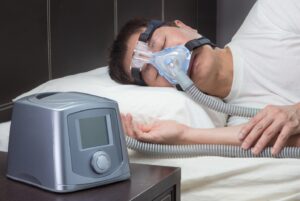
When most people think about sleep apnea, they picture someone who snores loudly or briefly stops breathing during the night. While those are common signs, sleep apnea is a complex sleep disorder with many lesser-known symptoms and effects. With that in mind, here are some lesser-known facts that might help you recognize potential warning signs and understand why diagnosis and treatment are important.
You Don’t Have to Be a Loud Snorer
Snoring is strongly associated with obstructive sleep apnea, but not everyone with the condition snores loudly. Some people may have relatively quiet breathing disturbances or experience symptoms without realizing anything unusual happens while they sleep.
If you regularly wake up gasping, choking, or feeling short of breath, or your sleeping partner notices pauses in your breathing, it may be time to talk to your dentist about it even if you aren’t a habitual snorer.
Sleep Apnea Can Affect Your Daytime Life
Sleep apnea repeatedly interrupts normal sleep throughout the night. Even if you don’t fully wake up each time, these disruptions can prevent you from getting restorative sleep.
As a result, people with untreated sleep apnea may experience daytime sleepiness, difficulty concentrating, irritability, or problems with memory. These symptoms can sometimes be mistaken for simply being stressed or not getting enough sleep.
Children Can Have Sleep Apnea, Too
Sleep apnea isn’t exclusively an adult condition. Children can develop obstructive sleep apnea, and their symptoms may look different from those seen in adults.
A child with sleep apnea may snore, breathe through their mouth, have restless sleep, experience nighttime bedwetting, or have difficulty paying attention during the day. Behavioral or school-related changes can sometimes be associated with poor sleep.
Parents who notice persistent nighttime breathing problems should discuss them with their child’s pediatrician or another qualified healthcare professional.
Your Jaw and Airway Can Play a Role
With obstructive sleep apnea, the airway becomes blocked or narrowed during sleep. The anatomy of the mouth, throat, jaw, and surrounding tissues can influence how easily the airway remains open.
This is one reason dental professionals may be involved in sleep apnea care. For some appropriately selected patients, a custom oral appliance can help reposition the jaw or tongue to improve airway space during sleep.
Oral appliance therapy isn’t appropriate for everyone, so a proper evaluation is important.
You May Not Know You Have It
One of the most surprising facts about sleep apnea is that many people don’t realize they have a problem. Breathing interruptions happen while you’re asleep, so a bed partner may notice symptoms before you do.
If you regularly wake up feeling unrefreshed, have morning headaches, experience excessive daytime sleepiness, or have been told that you stop breathing during sleep, consider discussing your symptoms with a healthcare professional.
If you suspect you have sleep apnea, seek a professional evaluation. An appropriate diagnosis can help determine whether treatment is needed and which options may be suitable for your individual situation.
About the Author
Dr. Carroll R. Butler has been caring for Kerrville, TX patients since 1997. He is a graduate of the University of Texas Health Science Center at San Antonio and a current Mentor of the Kois Center, a renowned continuing education program for practicing dentists. If you think you might be suffering from sleep apnea, Dr. Butler offers an advanced, non-invasive option with oral appliance therapy. To learn more or schedule an appointment, visit his website or call (830) 257-4900.
No Comments
No comments yet.
RSS feed for comments on this post.
Sorry, the comment form is closed at this time.